Why Salad Bar Design Matters
A great salad bar design does more than hold ingredients—it guides movement, boosts appetite, and keeps food safe. When guests can see fresh colors clearly, reach items comfortably, and move smoothly without crowding, they spend more time choosing and enjoy the experience. That longer dwell time lowers bounce (people leaving quickly) and raises satisfaction. Think of the salad bar as a silent host: it welcomes, organizes, and reassures.
From compact cafés to large buffets, design choices—counter height, lighting, sneeze guards, and flow—directly affect speed of service and hygiene. A well-designed bar also reduces staff intervention and waste, saving costs while looking premium.
Core Elements of an Effective Salad Bar Design
1) Layout & Flow
The most successful layouts follow a simple rule: left-to-right flow. Guests start with plates, move to greens, then proteins, toppings, and dressings, finishing at the checkout or seating. This sequence prevents bottlenecks. In tight spaces, a single-line wall-mounted bar works best; in larger halls, island-style bars allow access from both sides.
2) Counter Height & Ergonomics
Standard counter height (34–36 inches) suits most adults. For family venues, consider a dual-height section so kids can reach safely. Comfortable reach reduces spills and keeps service fast.
3) Hygiene & Safety
Hygiene builds trust. Use tempered glass sneeze guards, chilled pans to maintain temperature, and non-porous surfaces like stainless steel or sealed wood. Clear labels help guests avoid cross-contamination and allergens.
Materials That Elevate Salad Bar Design
Material choice defines durability and style. Stainless steel is the gold standard for food safety and easy cleaning. Solid wood fronts (teak or sheesham) add warmth and pair beautifully with modern interiors. Stone or quartz countertops resist stains and look upscale. Combine textures—metal for hygiene, wood for aesthetics—to balance function and feel.
Lighting That Makes Food Look Fresher
Lighting can make or break perception. Use neutral white LEDs (4000–4500K) to show true colors of greens and vegetables. Avoid harsh shadows by installing under-shelf lighting. Spotlight signature ingredients to guide choice and increase perceived freshness.
Space-Saving Salad Bar Design Ideas
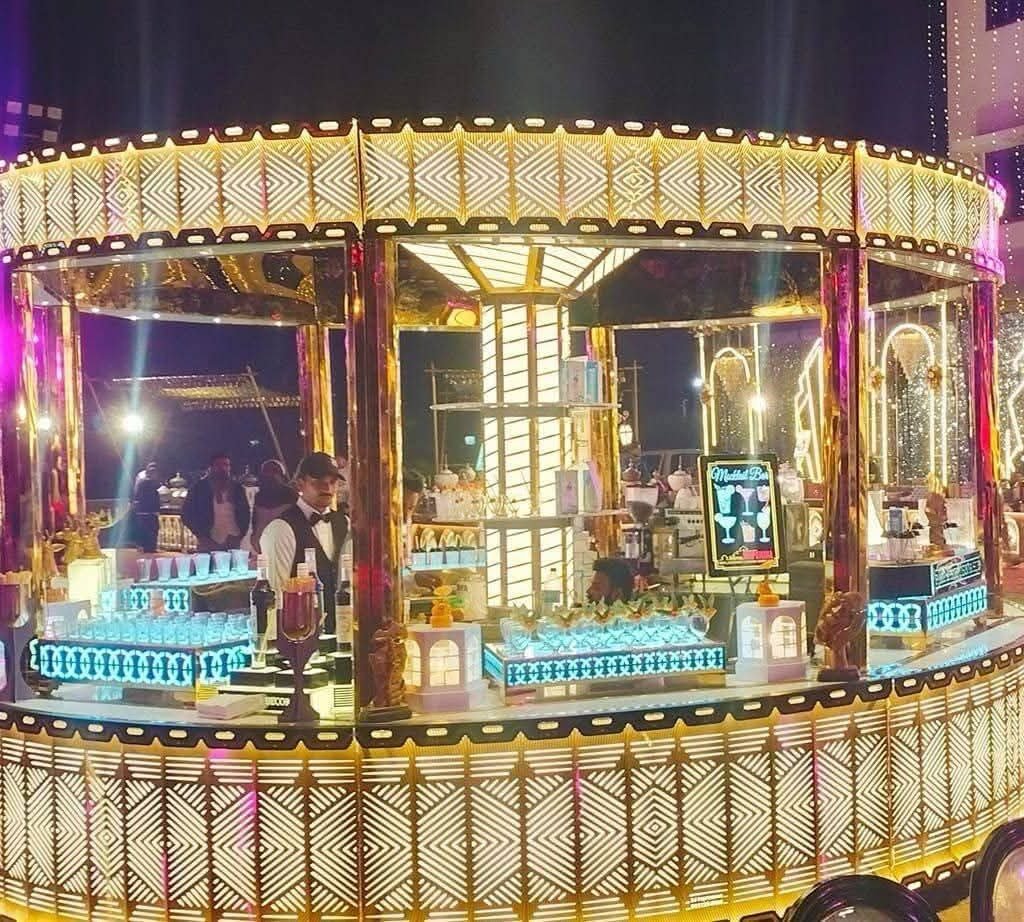
Small space? Go vertical. Use tiered inserts and modular pans to maximize capacity. A mobile salad bar on lockable wheels offers flexibility for events and off-peak hours. Built-in refrigerated bases keep ingredients cold without bulky ice beds.
Customization for Different Venues
- Restaurants & Cafés: Sleek, compact bars with branded fronts and minimal clutter.
- Hotels & Resorts: Large island bars with premium finishes and multiple zones.
- Catering & Events: Modular, transport-friendly units with quick assembly.
- Corporate Cafeterias: Durable, high-throughput designs with clear signage.
Design Features That Reduce Waste
Smart salad bar design lowers waste through portion control. Shallow pans encourage frequent refills (fresher food, less spoilage). Clear lids during low traffic protect ingredients. Seasonal rotation keeps menus exciting and inventory tight.
Technology & Add-Ons
Modern bars integrate chilled wells, digital labels, and contactless sneeze guards. Some venues add smart scales for pay-by-weight systems, improving fairness and speed.
Internal & External Linking (SEO Tip)
Internally link your salad bar page to buffet counters, display counters, and catering equipment pages. Externally link to trusted food safety or nutrition resources to build authority. Ensure no broken links (avoid 404s) and categorize pages correctly for indexing.
Conclusion
A thoughtful salad bar design blends flow, hygiene, materials, and lighting into one smooth experience. When guests move easily, see freshness clearly, and feel safe serving themselves, they stay longer and return more often. Whether you’re fitting a cozy café or a grand buffet, design with intention—and your salad bar will quietly do the selling for you.
FAQs
1) What is the best layout for a salad bar?
A left-to-right single line works best for small spaces; island layouts suit large buffets.
2) Which material is most hygienic?
Stainless steel tops with tempered glass guards offer the highest hygiene and durability.
3) How do I keep ingredients fresh longer?
Use chilled wells, shallow pans, and frequent refills.
4) Can salad bars be mobile?
Yes, mobile units with lockable wheels are ideal for events and flexible layouts.
5) What lighting makes salads look best?
Neutral white LED lighting (4000–4500K) shows true colors without glare.