What Is a Buffet Counter?
A buffet counter is one of the most important pieces of equipment in the hospitality and catering industry. Whether you attend a wedding reception, corporate event, hotel banquet, or family celebration, chances are you have seen long serving tables where guests walk along and select food items themselves. That elegant serving setup is called a buffet counter. It acts as both a food display station and a serving platform, allowing guests to conveniently serve themselves while enjoying a variety of dishes.
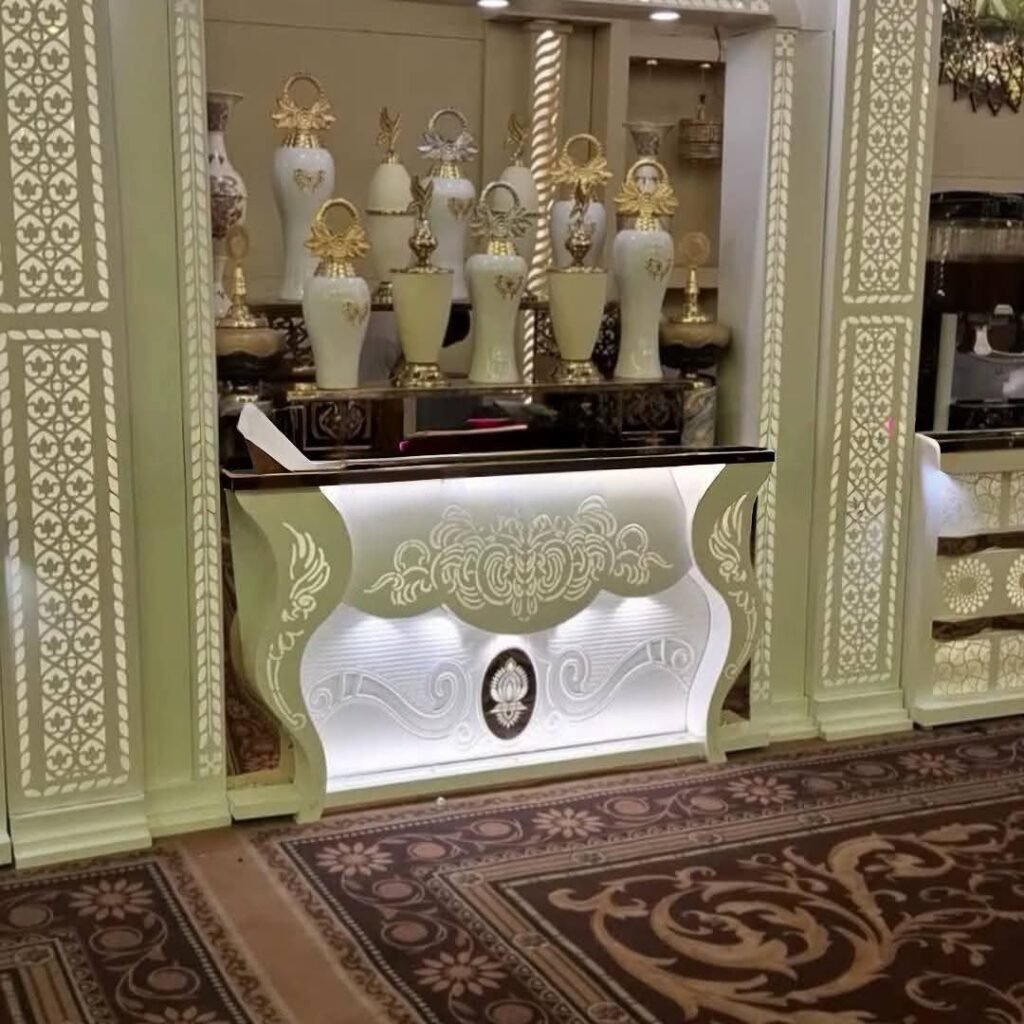
The concept of buffet dining revolves around self-service. Instead of waiters serving food to each table, multiple dishes are arranged on a long counter or station, and guests move along the counter to pick what they want. According to hospitality practices, buffet setups often include several food stations for different cuisines such as starters, main course, desserts, and beverages.
A buffet counter is designed not just for functionality but also for presentation. In professional catering setups, the counter often includes decorative panels, lighting, food warmers, and compartments for trays. Some counters are also designed to hold Gastronorm pans, a standardized container system widely used in professional kitchens for storing and serving food efficiently.
What makes buffet counters especially valuable is their versatility. They can be used in weddings, hotels, restaurants, cafeterias, corporate events, exhibitions, and outdoor parties. The structure can range from simple stainless steel tables to luxurious designer counters with gold finishes and LED lighting. In modern event setups, the buffet counter has become a key element of décor, blending practicality with visual appeal.
Another interesting thing about buffet counters is how they improve the dining experience. Guests can explore dishes at their own pace, choose portions according to their preference, and interact socially while serving food. That relaxed and flexible atmosphere is exactly why buffet-style service has become so popular in modern hospitality.
Importance of Buffet Counters in Events and Hospitality
In the world of catering and event management, a buffet counter plays a much bigger role than simply holding food trays. It actually shapes the entire food service experience at an event. Imagine a wedding with hundreds of guests arriving at the dining area. If food were served only by waiters at tables, the process would take hours and create chaos. A well-organized buffet counter solves this problem by allowing guests to serve themselves quickly and efficiently.
Buffet counters are particularly important for large gatherings because they increase serving efficiency and reduce manpower requirements. Caterers can arrange multiple food items on the counter, enabling dozens of guests to pick food simultaneously. This system not only saves time but also improves crowd flow during peak dining periods.
Another major advantage is visual presentation. In events such as weddings and corporate dinners, the buffet counter often becomes a centerpiece of the dining area. Designers decorate these counters with fabric drapes, lighting panels, floral arrangements, and elegant finishes. The result is a food station that looks luxurious and inviting. Guests are naturally drawn toward the beautifully displayed dishes.
From a catering business perspective, buffet counters also help maintain hygiene and organization. Many modern counters include stainless steel tops, built-in heating lamps, and food storage compartments, ensuring that dishes remain warm and fresh during service. These features are particularly important for large-scale events where food must remain at the right temperature for several hours.
Event planners also appreciate buffet counters because they allow creative menu layouts. For example, an event might include separate counters for live cooking stations, desserts, beverages, and regional cuisines. This arrangement makes the dining experience more interactive and enjoyable.
When you think about it, the buffet counter is not just a piece of furniture. It is a strategic tool that combines efficiency, style, and guest convenience in one place. That is exactly why it has become a standard element in almost every modern catering setup.
Types of Buffet Counters Used in Catering
The catering industry offers a wide variety of buffet counters, each designed to serve a specific purpose. The type of counter chosen usually depends on the event size, theme, and type of food being served. Understanding the different types helps event planners and caterers choose the best solution for their setup.
Stainless Steel Buffet Counter
One of the most widely used designs is the stainless steel buffet counter. This type is popular in hotels, restaurants, and catering companies because it is durable, hygienic, and easy to clean. Stainless steel surfaces resist rust and corrosion, making them ideal for environments where food and moisture are constantly present.
These counters are often designed with multiple compartments for trays, shelves for utensils, and heating systems to keep food warm. Some models also include wheels for easy movement, allowing caterers to rearrange the setup quickly during events.
Stainless steel buffet counters are commonly used for professional catering services, banquet halls, and restaurants. Prices can vary depending on size and features, but many standard models in India range from approximately ₹7,000 to ₹32,000 per unit, depending on materials and design.
Wooden Buffet Counter
Wooden buffet counters are commonly used for decorative wedding setups and theme-based events. These counters often feature carved panels, polished finishes, and decorative elements that complement the event décor.
Unlike stainless steel models, wooden counters focus more on aesthetics than industrial durability. They are often combined with stainless steel tops or glass surfaces to maintain hygiene while preserving the elegant appearance.
These counters are especially popular in luxury weddings and banquet halls where visual presentation plays a major role in the event experience.
LED and Designer Buffet Counter
Modern event setups increasingly feature designer buffet counters with LED lighting. These counters use illuminated panels, acrylic surfaces, and metallic finishes to create a futuristic look. The lighting can change colors to match the event theme, making the dining area visually striking.
Designer buffet counters are often used in corporate events, exhibitions, cocktail parties, and high-end weddings. Their main purpose is to enhance ambiance while still providing a functional serving platform.
Portable and Foldable Buffet Counter
For caterers who frequently move between venues, portable buffet counters are an essential solution. These counters are designed with foldable frames and lightweight materials so they can be transported easily.
Many foldable buffet counters include detachable panels and compact storage mechanisms, allowing them to fit into vehicles without taking up too much space. This feature makes them extremely practical for outdoor events, exhibitions, and temporary catering setups.
Portable counters prove that practicality and style can go hand in hand, especially in the fast-paced world of event catering.
Materials Used in Buffet Counter Manufacturing
The durability and appearance of a buffet counter largely depend on the materials used during manufacturing. Different materials offer different benefits, ranging from strength and hygiene to decorative appeal. Choosing the right material ensures that the counter performs well while complementing the overall event design.
One of the most commonly used materials is stainless steel. This material is widely preferred in professional kitchens and catering setups because it is resistant to corrosion, easy to sanitize, and extremely durable. Stainless steel buffet counters can withstand heavy usage, making them ideal for hotels, restaurants, and banquet halls. The smooth surface also prevents bacteria buildup, which is essential for maintaining food safety.
Another popular material is wood, particularly in decorative buffet counters used for weddings and themed events. Wooden counters are valued for their elegant appearance and versatility in design. They can be carved, painted, or polished to match different décor styles. However, wooden counters are usually combined with stainless steel or glass surfaces to ensure hygienic food handling.
Some modern buffet counters also incorporate aluminum and acrylic materials. Aluminum provides lightweight strength, making it suitable for portable and foldable counters. Acrylic panels, on the other hand, are often used for illuminated designs and decorative surfaces. These materials help create stylish counters that stand out visually in modern event setups.
In high-end hospitality environments, buffet counters may even feature luxury materials such as marble, glass, or Corian surfaces. These materials add a premium touch while maintaining durability and cleanliness. The choice of material ultimately depends on the purpose of the counter, the frequency of use, and the desired aesthetic.
Understanding these material options allows caterers and event planners to invest in buffet counters that combine durability, hygiene, and visual appeal.
Standard Sizes and Structure of Buffet Counters
When designing a buffet counter, size and structure play a crucial role in ensuring smooth food service. A counter that is too small can cause congestion, while an overly large setup may waste space and increase costs. That is why professional catering equipment is often built using standard dimensions.
Buffet counters typically come in various lengths such as 2 feet, 3 feet, or 5 feet, depending on the serving capacity required. Large events often combine multiple counters in a line to create a long buffet arrangement that accommodates hundreds of guests.
The height of the counter is also important. Most buffet counters are designed to be approximately 3 to 4 feet high, allowing guests to comfortably serve themselves while standing. This height ensures that dishes are easily visible and accessible.
Another key aspect is the internal structure of the counter. Many buffet counters include:
- Shelves for storing plates and serving utensils
- Compartments for food trays
- Heating lamps or bain-marie systems for hot dishes
- Storage cabinets for catering supplies
The layout of the buffet counter should also support smooth guest movement. Caterers often design the setup so that guests move in one direction along the counter, starting with plates and ending with desserts. This organized flow prevents crowding and ensures that the dining process remains efficient.
A well-designed buffet counter is therefore not just about appearance. It is carefully structured to balance accessibility, functionality, and space management.
Buffet Counter Setup for Weddings and Events
Setting up a buffet counter for an event requires careful planning. It is not simply a matter of placing tables and food trays. The layout, decoration, lighting, and food arrangement all play an important role in creating a smooth and attractive dining experience.
One of the first steps in buffet counter setup is determining the food flow. Event planners typically arrange dishes in a logical sequence so that guests move through the buffet smoothly. For example, the setup might start with plates and salads, followed by main courses, and end with desserts and beverages.
Lighting is another crucial factor. Proper lighting not only enhances the appearance of the food but also helps guests clearly see the dishes available. Many modern buffet counters use LED panels or spotlights to highlight specific food stations. This creates a vibrant and inviting dining environment.
Decorative elements also contribute significantly to the overall presentation. Wedding buffet counters are often decorated with floral arrangements, draped fabrics, and themed backdrops. These decorative features transform the buffet area into a visually appealing part of the event décor.
Another important consideration is accessibility. The buffet area should provide enough space for guests to move comfortably without crowding. Caterers often place multiple counters around the venue to distribute guests evenly and reduce waiting time.
When all these elements come together, the buffet counter becomes more than just a food station. It becomes a focal point of the event where guests gather, interact, and enjoy the culinary experience.
Buffet Counter Price in India
The price of a buffet counter can vary widely depending on materials, design complexity, and additional features. Basic stainless steel counters are generally the most affordable option, while designer counters with decorative panels and lighting can cost significantly more.
The following table provides a general idea of buffet counter pricing in India:
| Type of Buffet Counter | Approx Price Range |
|---|---|
| Basic stainless steel buffet counter | ₹7,000 – ₹15,000 |
| Standard catering buffet counter | ₹15,000 – ₹35,000 |
| Designer wedding buffet counter | ₹35,000 – ₹90,000 |
| Luxury custom buffet counter | ₹90,000+ |
Basic models used in catering setups may cost around ₹13,000 per unit, while premium designer counters can reach significantly higher prices depending on customization and materials.
Several factors influence the final price:
- Material quality
- Counter size and length
- Decorative features
- Lighting and heating systems
- Custom branding or design
Investing in a high-quality buffet counter can be beneficial for catering businesses because it enhances presentation and durability over long-term use.
Buffet Counter vs Traditional Food Serving
Traditional food serving typically involves waiters delivering dishes directly to guests at their tables. While this method works well for small gatherings or formal dining, it becomes inefficient for large events. Buffet counters offer a more practical solution by allowing guests to serve themselves from a central food station.
One major advantage of buffet counters is speed. Guests can move through the buffet line quickly, selecting their preferred dishes without waiting for service. This approach significantly reduces serving time during large events.
Buffet counters also encourage variety. Since all dishes are displayed at once, guests can see the full menu and choose items according to their taste. This flexibility makes buffet dining more enjoyable and interactive.
Another benefit is cost efficiency. Events that rely on buffet service typically require fewer staff members compared to traditional table service. This reduces labor costs while still maintaining a professional dining experience.
How to Choose the Best Buffet Counter for Catering
Choosing the right buffet counter requires careful consideration of several factors. Caterers and event planners should evaluate their needs before investing in a specific design.
First, consider the type of events you frequently serve. If you mainly work at weddings and luxury banquets, designer counters with decorative finishes may be the best choice. For high-volume catering operations, durable stainless steel counters are often more practical.
Second, think about portability. Catering businesses that travel between venues may benefit from foldable counters that are easy to transport and store.
Another important factor is hygiene. Counters with stainless steel surfaces are easier to clean and maintain, making them ideal for professional food service.
Finally, consider customization. Many manufacturers offer buffet counters with personalized branding, decorative panels, and LED lighting. These custom features can help catering businesses create a unique and memorable dining experience.
Future Trends in Buffet Counter Design
The design of buffet counters continues to evolve as the hospitality industry adopts new technologies and creative concepts. One of the most noticeable trends is the use of LED lighting and illuminated panels. These features transform buffet counters into visually striking displays that enhance the ambiance of events.
Another emerging trend is the integration of smart heating systems. Modern buffet counters often include temperature-controlled compartments that keep food warm without affecting its quality. This innovation improves both food safety and presentation.
Sustainability is also becoming an important factor. Many manufacturers are now using eco-friendly materials and energy-efficient lighting systems to reduce environmental impact.
In addition, modular buffet counters are gaining popularity. These counters can be rearranged into different configurations depending on the event layout, making them highly versatile.
The future of buffet counter design will likely focus on combining functionality with artistic presentation. As events become more elaborate and visually driven, buffet counters will continue to evolve as a key element of modern hospitality.
Conclusion
The buffet counter has become an essential component of modern catering and hospitality services. From weddings and corporate events to hotels and restaurants, these counters provide an efficient and visually appealing way to serve food to large groups of guests.
A well-designed buffet counter combines durability, hygiene, and style. Whether made from stainless steel, wood, or acrylic materials, it must be capable of handling heavy usage while maintaining an attractive appearance. Features such as foldable structures, LED lighting, and modular designs further enhance functionality and presentation.
Choosing the right buffet counter depends on several factors, including event type, portability requirements, and budget. With proper planning and design, a buffet counter can transform the dining area into an engaging and memorable experience for guests.
In the ever-evolving hospitality industry, buffet counters will continue to play a central role in delivering efficient service and impressive food displays. They are not just serving stations—they are the stage where culinary presentation meets guest experience.
FAQs
1. What is the purpose of a buffet counter?
A buffet counter is used to display and serve food in a self-service format at events, hotels, and restaurants.
2. Which material is best for buffet counters?
Stainless steel is considered the best material because it is durable, hygienic, and easy to clean.
3. What is the standard height of a buffet counter?
Most buffet counters are approximately 3 to 4 feet high for comfortable self-service.
4. What is the average price of a buffet counter in India?
Prices typically range from around ₹7,000 for basic models to over ₹90,000 for luxury designer counters.
5. Where are buffet counters commonly used?
Buffet counters are commonly used in weddings, hotels, restaurants, corporate events, exhibitions, and catering setups.